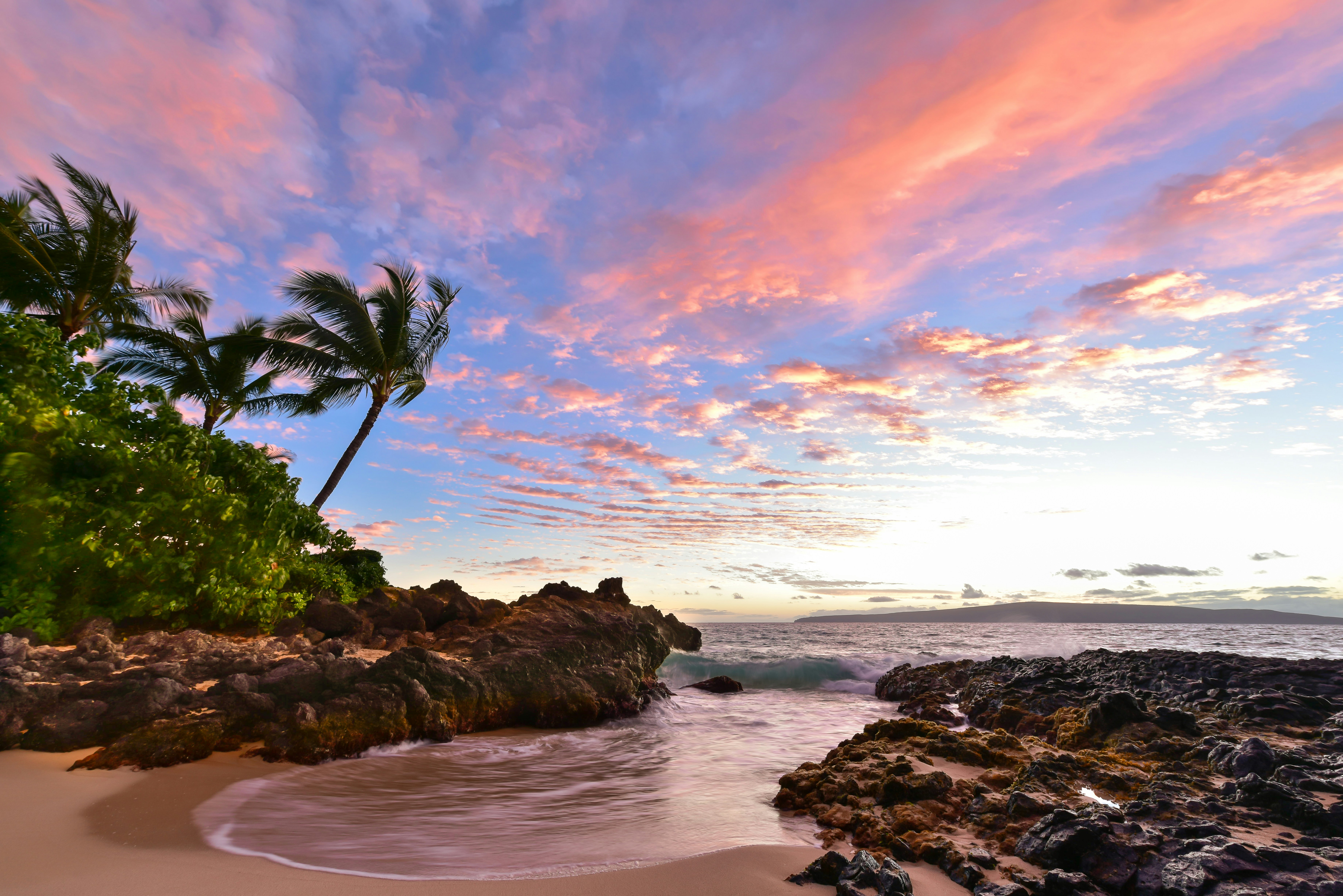
Maui is still healing from the devastating Lahaina fires of August 2023 which destroyed over 2,200 homes, businesses, and cultural landmarks, displacing thousands of residents. Tourism plays a key role in recovery. In the first half of 2025 the island welcomed 1.27 million visitors, an 11% increase from the year before but still 17% below pre-pandemic levels. Tourism accounts for about 40% of Maui’s economy, and across Hawaii as a whole, the industry represents nearly a quarter of the state’s GDP, employing more than 216,000 people and generating over $2 billion in annual tax revenue.
How you choose to visit truly matters. This guide shares practical, respectful ways to experience Maui, helping its recovery while protecting the culture, communities, and ecosystems that make it extraordinary.
Understand the Context Before You Go
• Maui’s gradual reopening: West Maui reopened in November 2023, but parts of Lahaina’s historic Front Street remain closed for safe reconstruction. Recovery efforts are coordinated by the Maui County Recovery Task Force in partnership with local nonprofits.
• Tourism’s importance: Though visitor traffic remains 17% below pre-pandemic levels, modest gains in 2025 support local businesses and cultural practitioners while aiding long-term recovery.
• The need for respectful travel: Recovery isn’t just physical, it’s also emotional. Locals want support but visitors must practice care (“mālama”) and avoid disaster tourism.
Choose Areas That Welcome You
• Avoid wound-impact zones: Do not visit fire-damaged areas of Lahaina to respect safety and privacy.
• Focus on open and welcoming regions: Explore ʻIao Valley State Park, Upcountry farms like Surfing Goat Dairy, Hana Highway waterfalls, South Maui beaches (Kihei, Wailea), and parts of West Maui such as Kā‘anapali.
• Practice cultural respect: Participate in local hula classes, craft workshops, or farm tours that honor Hawaiian traditions. Embrace principles like kuleana (“responsibility”) and kokua (“help”) in your travel decisions.
Support Local Recovery Through Your Choices
• Spend with locals: Dine at community restaurants and buy from small Maui-owned businesses to directly distribute recovery spending.
• Volunteer if you can: Certain accommodations and tours now offer opportunities to give back through farm work, guided hikes, or cultural experiences. Check with local nonprofits or land trusts for ways to help.
Be a Careful, Thoughtful Traveler
• Avoid disaster tourism behaviors: Do not photograph or linger around memorial sites. Respect boundaries and privacy.
• Stay informed & compassionate: Follow local guidance and updates, and consult professionals rather than survivors for insights.
• Choose mindful transport: Use the Maui Bus in Kihei, rent e-bikes in Upcountry, or walk to conserve resources and reduce emissions.
• Leave minimal impact: Stay on designated paths, pack out trash, and honor Hawaiian conservation principles like mālama ‘āina (“care for the land”).
Maui is healing, and travelers are part of its renewal. By exploring respectfully, supporting local businesses, and donating or volunteering through established recovery efforts, your visit can be more than a getaway - it can be a lasting gift to the island. Conscious tourism helps preserve Maui’s beauty, culture, and communities for generations to come.