
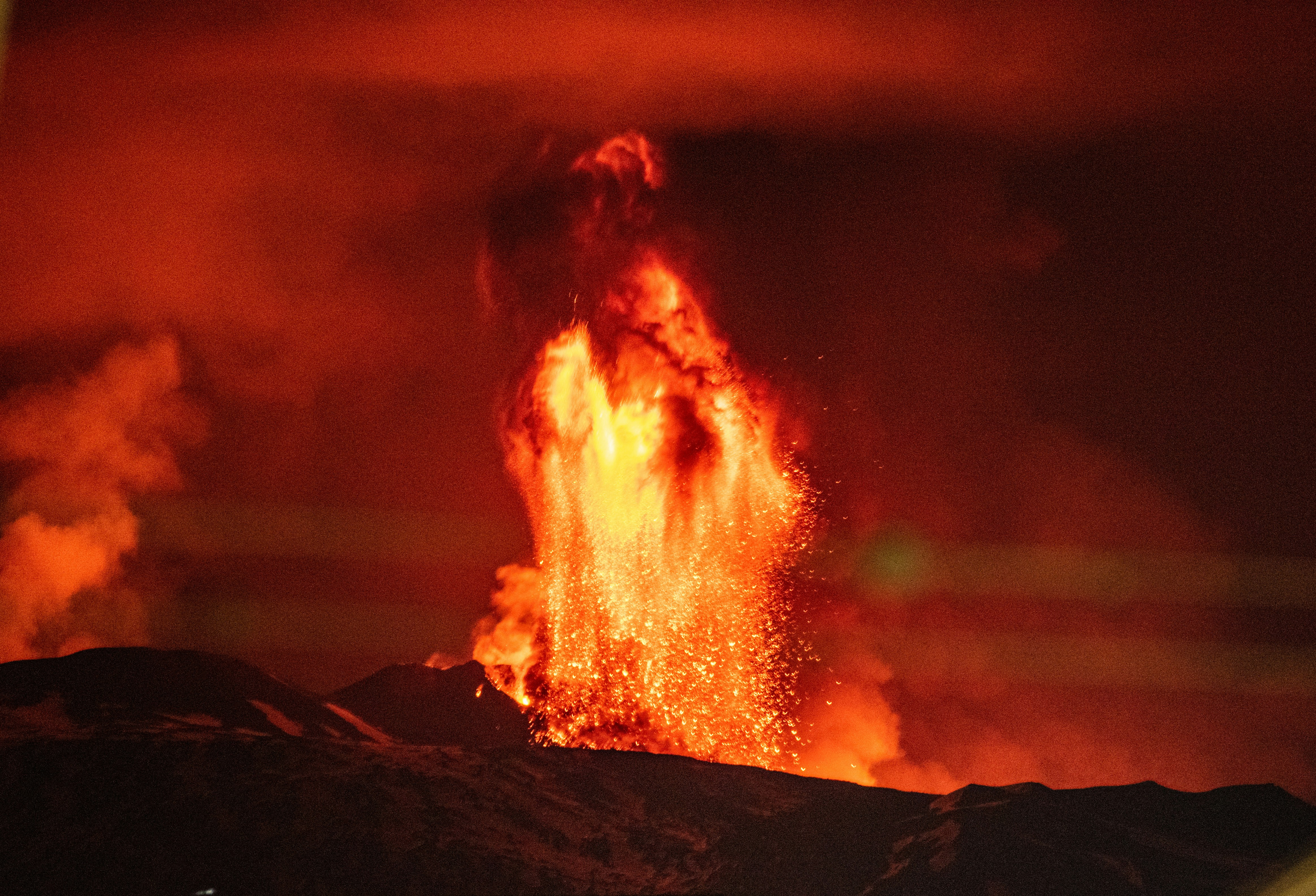
Hawaii Volcanoes National Park is a living testament to Earth's dynamic processes, home to Kīlauea and Mauna Loa, two of the world's most active volcanoes. While eruptions offer a rare glimpse into Earth's raw power, they also pose environmental and cultural challenges. Visiting the park responsibly ensures that you can experience its beauty while protecting fragile ecosystems and local communities.
Understand the Park’s Current Conditions
• Ongoing eruptions: As of September 2025, Kīlauea is actively erupting within Halemaʻumaʻu Crater, producing lava fountains and a rare "volnado" (Source).
• Safety precautions: Follow all posted warnings and closures. Real-time updates are available on the Hawai‘i Volcanoes National Park Alerts & Conditions page.
• Vog awareness: Volcanic smog can affect air quality. Visitors with respiratory conditions should monitor air reports and take precautions.
Minimize Your Environmental Impact
• Stay on designated trails: Kīlauea and Mauna Loa have extremely fragile ecosystems. Stepping off paths can crush native plants, disturb rare wildlife, and worsen volcanic soil erosion. Stick to marked trails, boardwalks, and viewing areas. Official Trail Map.
• Do not remove lava rock or plants: Collecting rocks, plants, or any natural materials disrupts ecological regeneration and is illegal under park regulations. Visitor Information.
• Pack out what you bring in: Trash, food scraps, and even biodegradable items can harm native species and attract pests. Use park-provided waste disposal or carry items back with you.
• Respect restricted or closed areas: After eruptions, certain zones are off-limits due to unstable terrain, lava flows, or toxic gases. Ignoring closures endangers you and hinders recovery efforts. Current Park Alerts.
• Limit group size and noise: Smaller groups reduce trail erosion and minimize disturbance to wildlife. Avoid shouting or playing loud music near sensitive areas.
• Use sustainable transport when possible: Reduce emissions and traffic impact by using public transit like the Hele On Bus, which stops near Volcano House and the second entrance to Kīlauea Visitor Center.
Engage in Volunteer or Conservation Opportunities
• Volunteer Programs: Participate in trail maintenance, habitat restoration, and visitor education.
• Friends of Hawai‘i Volcanoes National Park: Support the park through fundraising, education, and volunteer opportunities.
• Guardians of the Trails: Assist in rehabilitating and maintaining the park’s trails to ensure safe access for visitors.
By visiting Hawaii Volcanoes National Park with mindfulness and respect, you contribute to the preservation of its unique landscapes, native species, and cultural heritage. Responsible tourism ensures these incredible volcanic wonders remain vibrant for generations to come.